
Masking tape is one of the most widely used adhesive tapes across industries and households. Whether you’re painting a room, protecting surfaces during manufacturing, bundling lightweight items, or performing general repairs, general purpose masking tape offers an easy and reliable solution.
Made from crepe paper with a pressure-sensitive rubber adhesive, masking tape is easy to tear by hand, conforms well to irregular surfaces, and removes cleanly after use under normal conditions.
In this guide, we’ll explain what general purpose masking tape is, its advantages, common applications, and how to select the right masking tape for your needs.
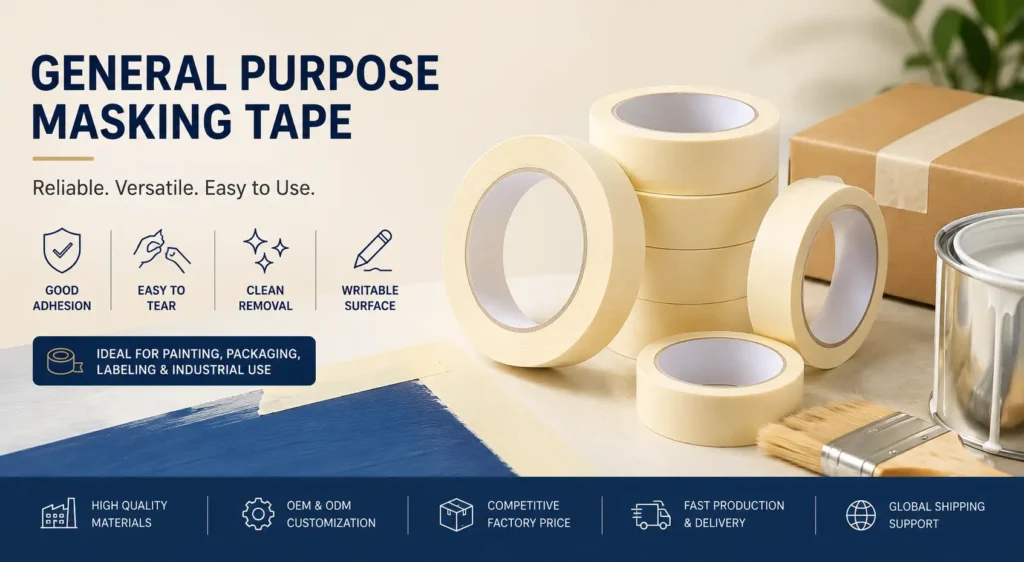
What Is General Purpose Masking Tape?
General purpose masking tape is a crepe paper adhesive tape designed for temporary masking, surface protection, labeling, bundling, and light-duty packaging.
Unlike permanent tapes, masking tape is designed to provide reliable adhesion while allowing clean removal without leaving excessive adhesive residue.
Typical construction includes:
- Crepe paper backing
- Natural rubber adhesive or synthetic rubber adhesive
- Easy hand tear
- Flexible structure
- Good conformability
This combination makes masking tape suitable for both professional and everyday applications.
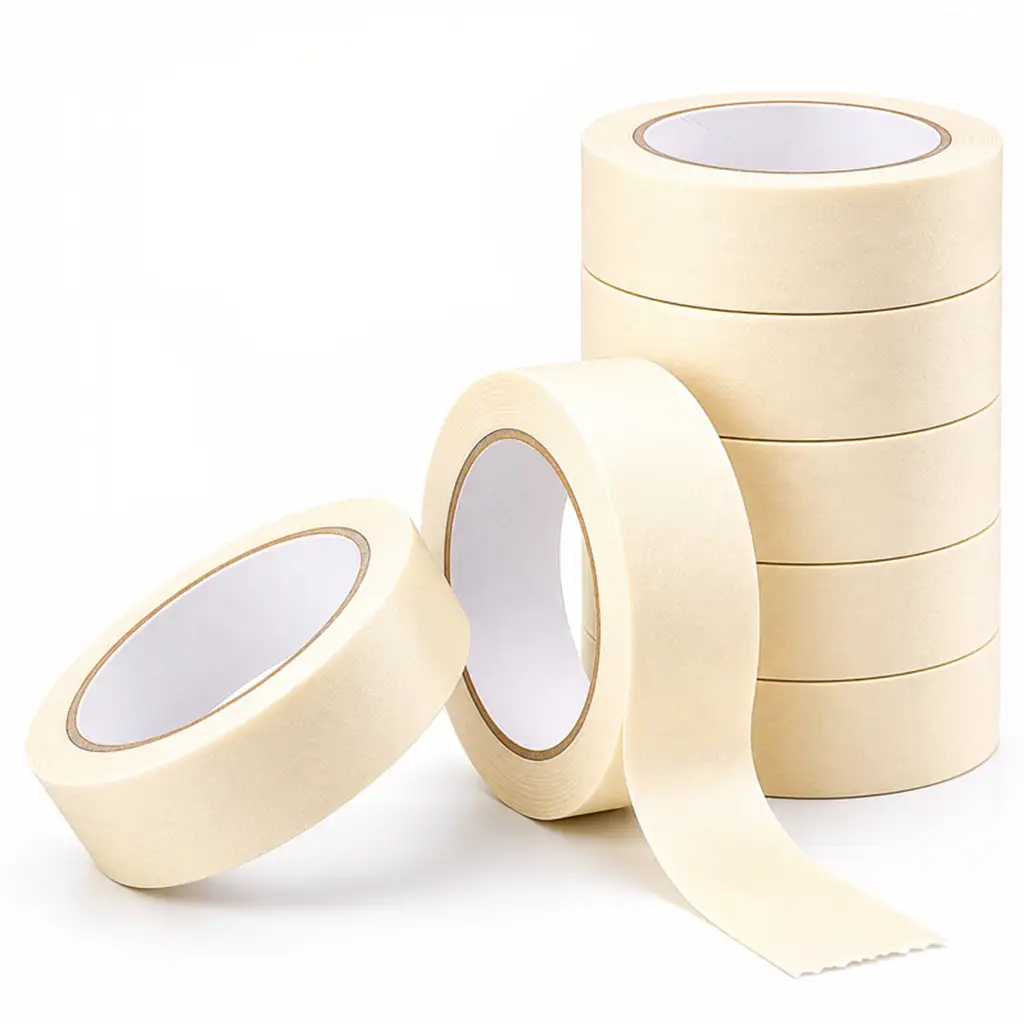
Key Features of General Purpose Masking Tape
Excellent Adhesion
The tape sticks securely to many common surfaces, including:
- Metal
- Plastic
- Glass
- Wood
- Painted walls
- Paper
- Cardboard
It stays firmly in place during use while remaining easy to remove afterward.
Easy Hand Tearing
Unlike plastic tapes, masking tape can usually be torn without scissors.
This improves work efficiency in workshops, painting jobs, warehouses, and production lines.
Clean Removal
High-quality masking tape leaves minimal adhesive residue when removed within the recommended application time.
This is especially important for:
- Painting
- Decorating
- Automotive refinishing
- Surface protection
Flexible Crepe Paper Backing
The crepe paper allows the tape to conform around:
- Curved surfaces
- Corners
- Uneven materials
- Small radius edges
This flexibility provides better coverage than many rigid tapes.
Writable Surface
Many users also use masking tape as temporary labels because its paper surface can easily be written on using pens or markers.
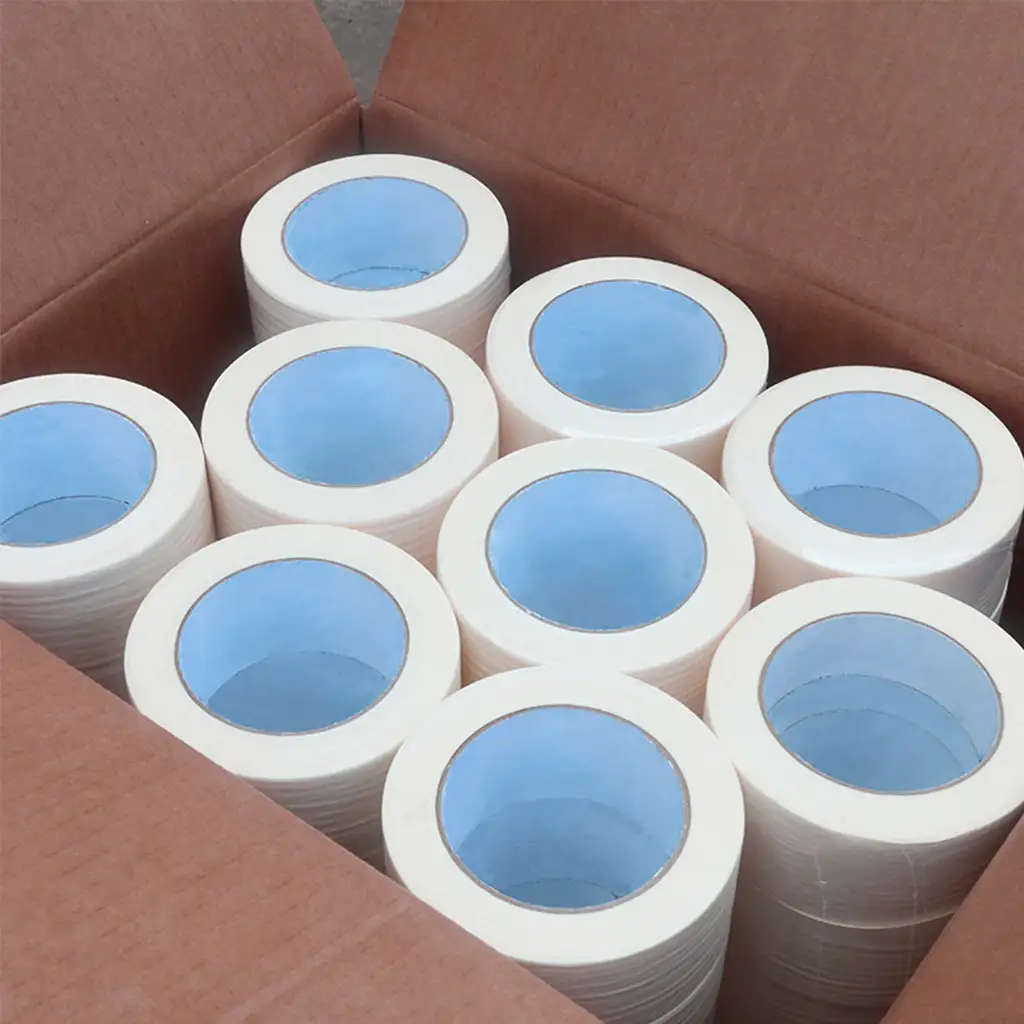
Common Applications of Masking Tape
Interior Painting
Painter’s masking tape creates clean paint lines by protecting adjacent surfaces from unwanted paint.
It is commonly used on:
- Walls
- Ceilings
- Window frames
- Baseboards
- Door frames
Automotive Painting
Masking tape is widely used during automotive refinishing to protect areas that should not receive paint.
Applications include:
- Vehicle body repair
- Spray painting
- Touch-up painting
- Collision repair
Packaging
General masking tape is suitable for:
- Light carton sealing
- Temporary package closure
- Product grouping
- Retail packaging
Although it is not intended for heavy-duty shipping, it performs well in light packaging applications.
DIY Projects
Artists, students, and hobbyists frequently use masking tape for:
- Crafts
- School projects
- Canvas painting
- Decorative work
- Home improvement
Industrial Manufacturing
Factories often use masking tape for:
- Surface masking
- Temporary protection
- Powder coating preparation
- Product identification
- Assembly processes
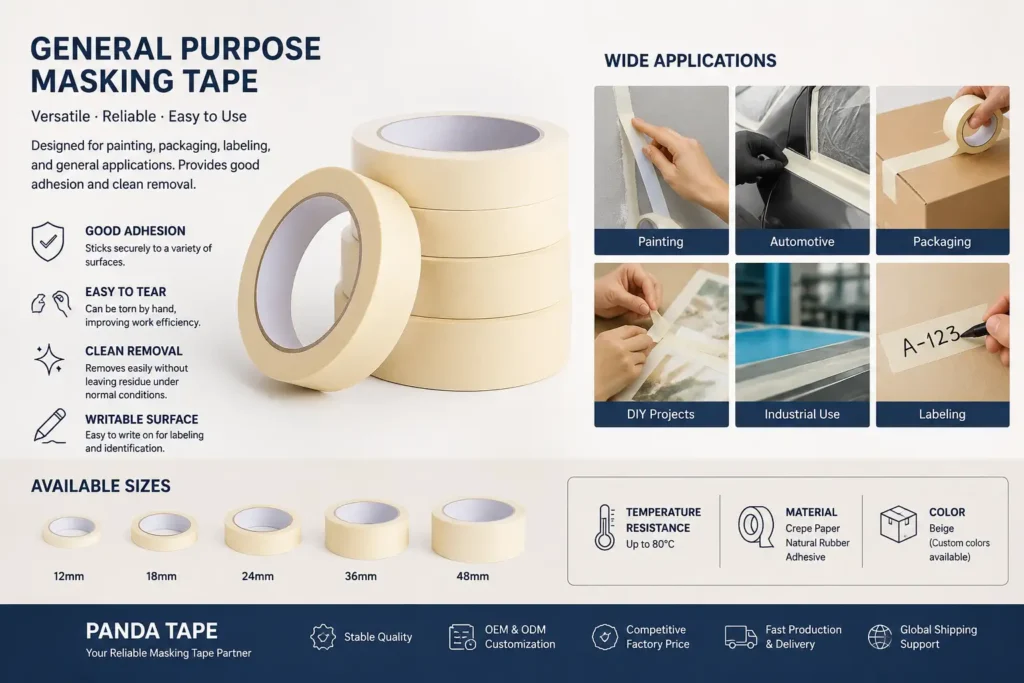
Advantages of General Purpose Masking Tape
Choosing high-quality masking tape offers several benefits.
Saves Time
Easy application and hand tearing improve productivity.
Protects Surfaces
The tape shields surfaces from paint, dust, scratches, and contamination.
Easy Removal
Properly applied masking tape removes cleanly after use.
Cost-Effective
Masking tape provides excellent value because of its versatility and affordable price.
Wide Compatibility
Suitable for numerous industries including:
- Construction
- Automotive
- Manufacturing
- Painting
- Packaging
- Home decoration
How to Choose the Right Masking Tape
Not all masking tapes are the same.
Consider the following factors before purchasing.
Adhesive Strength
Different applications require different adhesive levels.
For delicate surfaces, choose medium adhesion.
For industrial applications, stronger adhesion may be preferred.
Temperature Resistance
If the tape will be exposed to heat during painting or manufacturing, choose a masking tape designed for higher temperatures.
Paper Quality
Premium crepe paper provides:
- Better flexibility
- Cleaner edges
- Easier application
- Improved durability
Thickness
Thicker tapes generally offer:
- Better durability
- Improved paint resistance
- Higher tear resistance
Width Selection
Common widths include:
- 12 mm
- 18 mm
- 24 mm
- 36 mm
- 48 mm
The correct width depends on the specific application.
Why High-Quality Masking Tape Matters
Low-quality masking tape may cause problems such as:
- Adhesive residue
- Paint bleeding
- Poor adhesion
- Difficult removal
- Paper tearing
Premium masking tape helps achieve cleaner results while reducing rework and labor costs.
Industries That Use Masking Tape
General purpose masking tape is used across many industries.
Construction
For masking during painting and renovation.
Automotive
For body repair and refinishing.
Furniture Manufacturing
To protect finished surfaces during production.
Electronics
For temporary holding and masking.
Packaging Industry
For light-duty sealing and labeling.
Home Improvement
Ideal for DIY decoration and repairs.
Storage Tips
To maintain performance:
- Store in a cool, dry place.
- Avoid direct sunlight.
- Keep away from excessive humidity.
- Store between 15°C and 30°C whenever possible.
- Keep rolls sealed until use.
Proper storage extends shelf life and ensures consistent adhesion.
Why Choose Panda Tape?
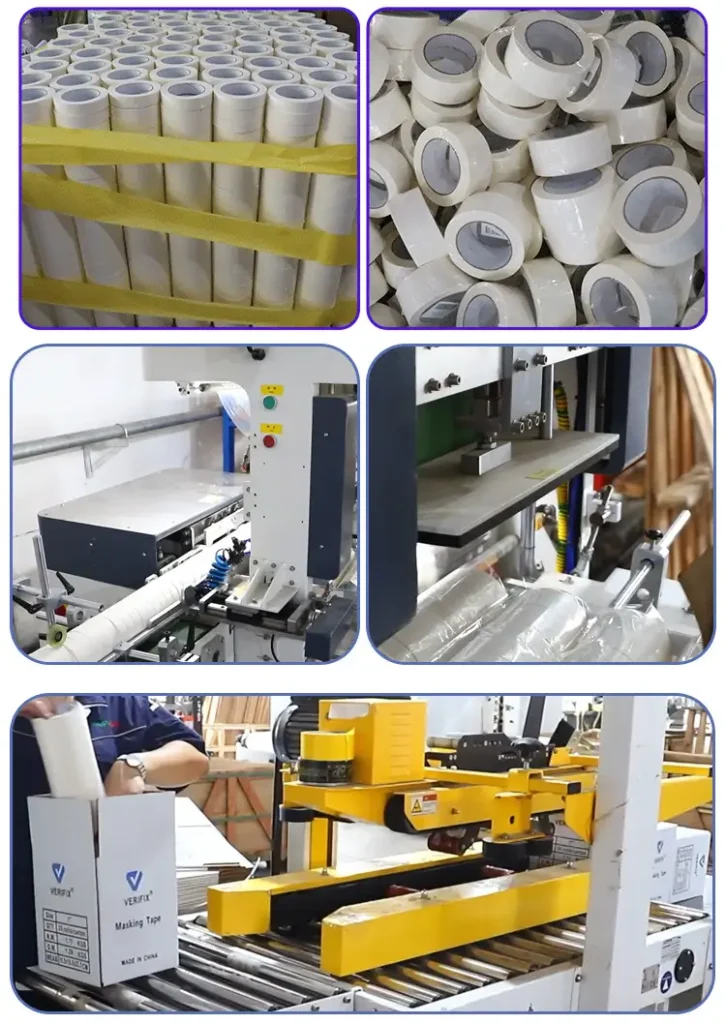
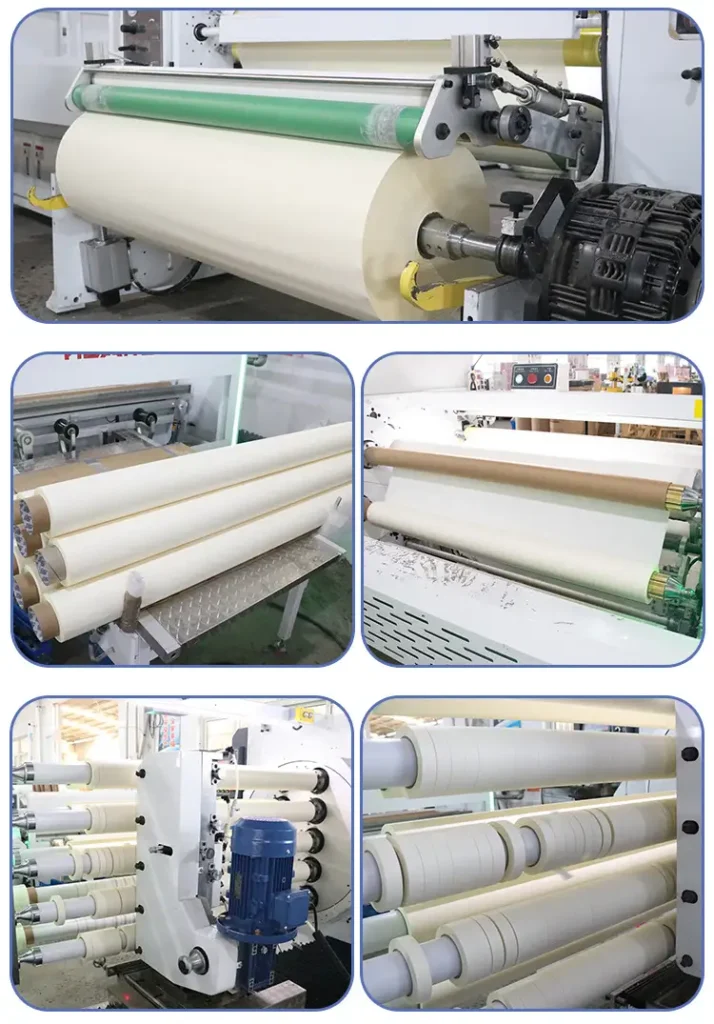
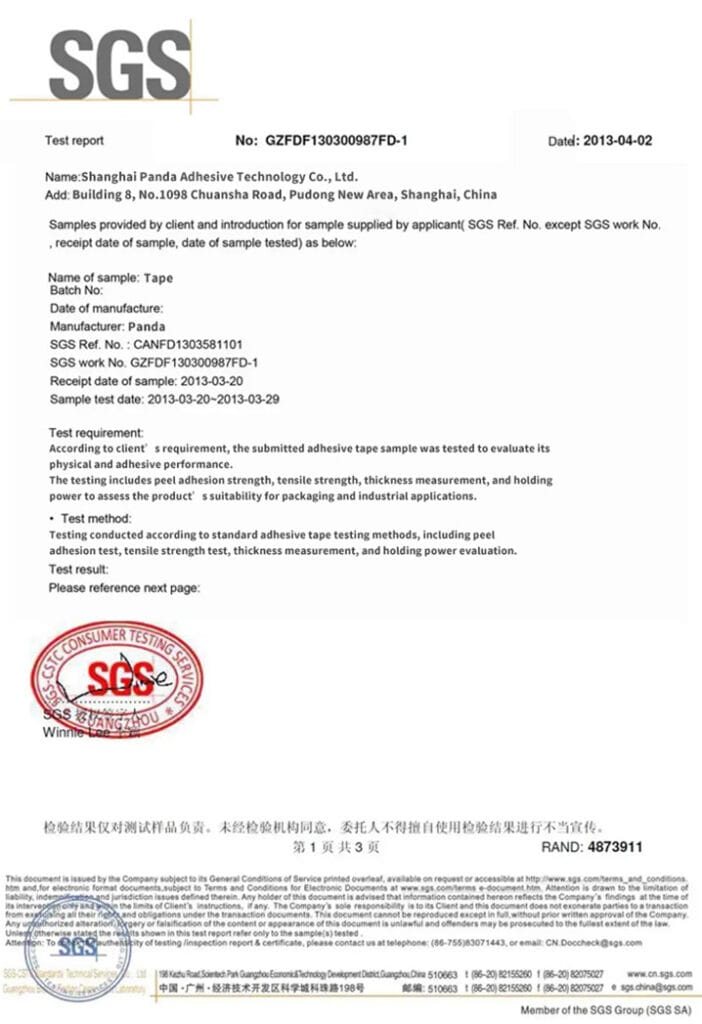
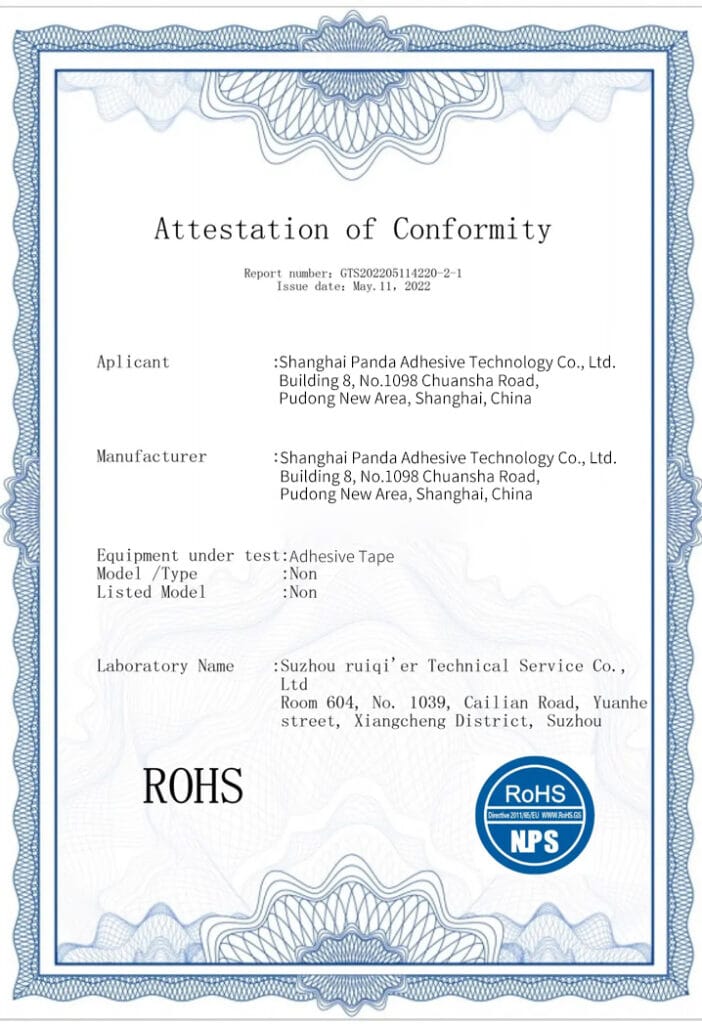
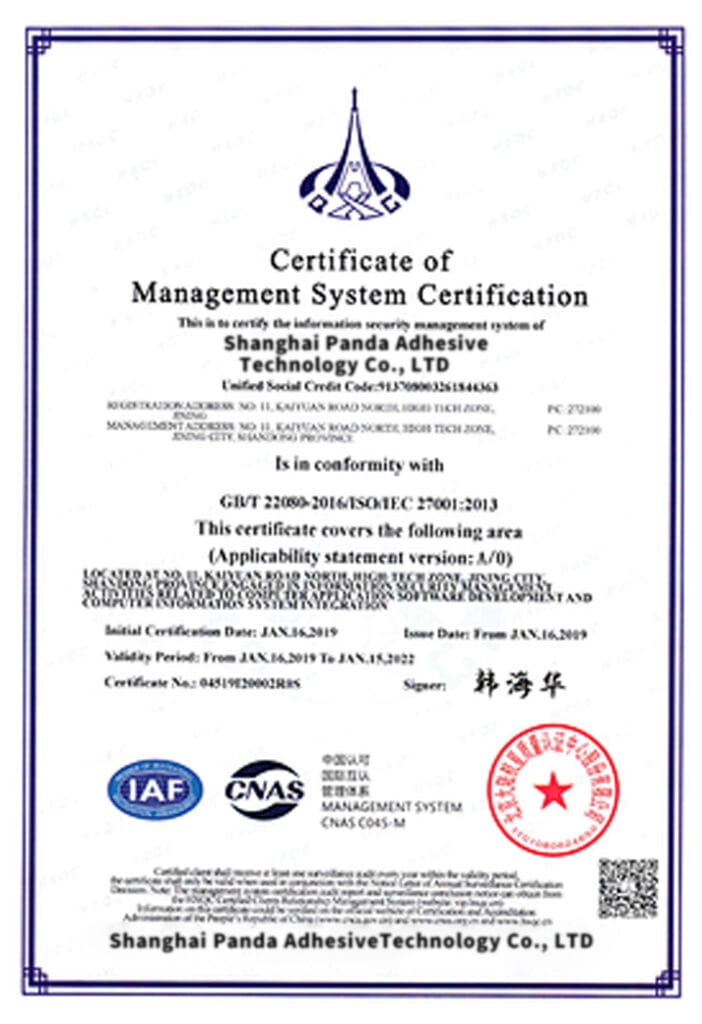
As a professional masking tape manufacturer, Panda Tape provides reliable adhesive solutions for customers worldwide.
Our advantages include:
- Stable adhesive performance
- High-quality crepe paper backing
- Clean removal
- Multiple widths and colors
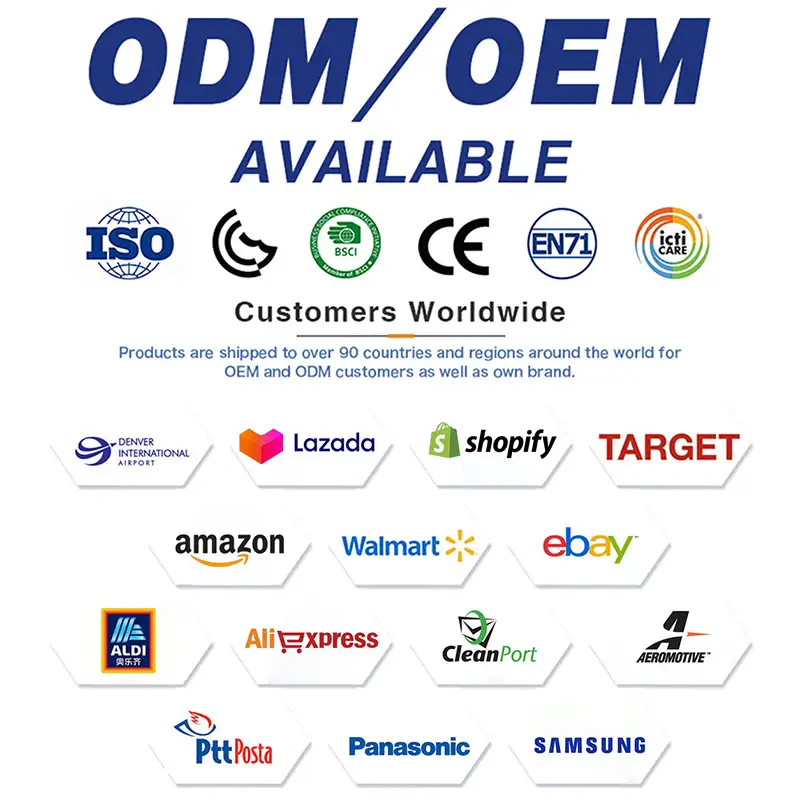
- OEM & ODM customization
- Competitive factory pricing
- Fast production and global shipping
Whether you need masking tape for painting, packaging, automotive applications, or industrial manufacturing, our team can provide the right solution for your business.

Frequently Asked Questions
Is masking tape waterproof?
General purpose masking tape offers limited moisture resistance but is not designed for long-term exposure to water.
Can masking tape be used outdoors?
Standard masking tape is intended mainly for indoor use. Outdoor applications may require UV-resistant masking tape.
Does masking tape leave residue?
High-quality masking tape typically removes cleanly when used correctly and removed within the recommended time.
What is masking tape made of?
Most masking tape consists of crepe paper coated with natural rubber or synthetic rubber pressure-sensitive adhesive.
What sizes are available?
Common widths range from 12 mm to 48 mm, with custom sizes available for industrial customers.
Conclusion
General purpose masking tape is a simple yet essential product used in painting, packaging, automotive work, manufacturing, and countless everyday applications. Choosing high-quality masking tape ensures clean results, easy removal, and reliable performance across a wide range of surfaces.
If you’re looking for a trusted masking tape manufacturer, Panda Tape offers durable, customizable solutions designed to meet the needs of global distributors, wholesalers, and industrial users.
Contact us today to learn more about our masking tape products or request free samples.